30 MT+
Coal
handled annually
150+
years
of cumulative experience of the
leadership team
20+
offices
across India
200+
employees
across locations
About us
What we do
We are pioneers in the coal logistics industry. India’s top power, aluminium, cement, steel, fertiliser and paper players turn to us when they need to debottleneck their Coal procurement value chains. We are present across the Coal procurement lifecycle - counselling clients on their fuel and advocacy strategies through overseeing end to end operations via rail and road modes.

.jpg)
Our Presence
Offices across 10+ states
Recent Industry News
Adani Group to invest over $75 bn in energy transition space over next five years
New Delhi: Adani Group will invest over $75 billion in energy transition space over the next five years, said its Chairman Gautam Adani on Tuesday. At the 100th anniversary of the Indian Institute...

Govt accelerates National Gas Grid Expansion to boost clean energy access, affordability and industrial growth
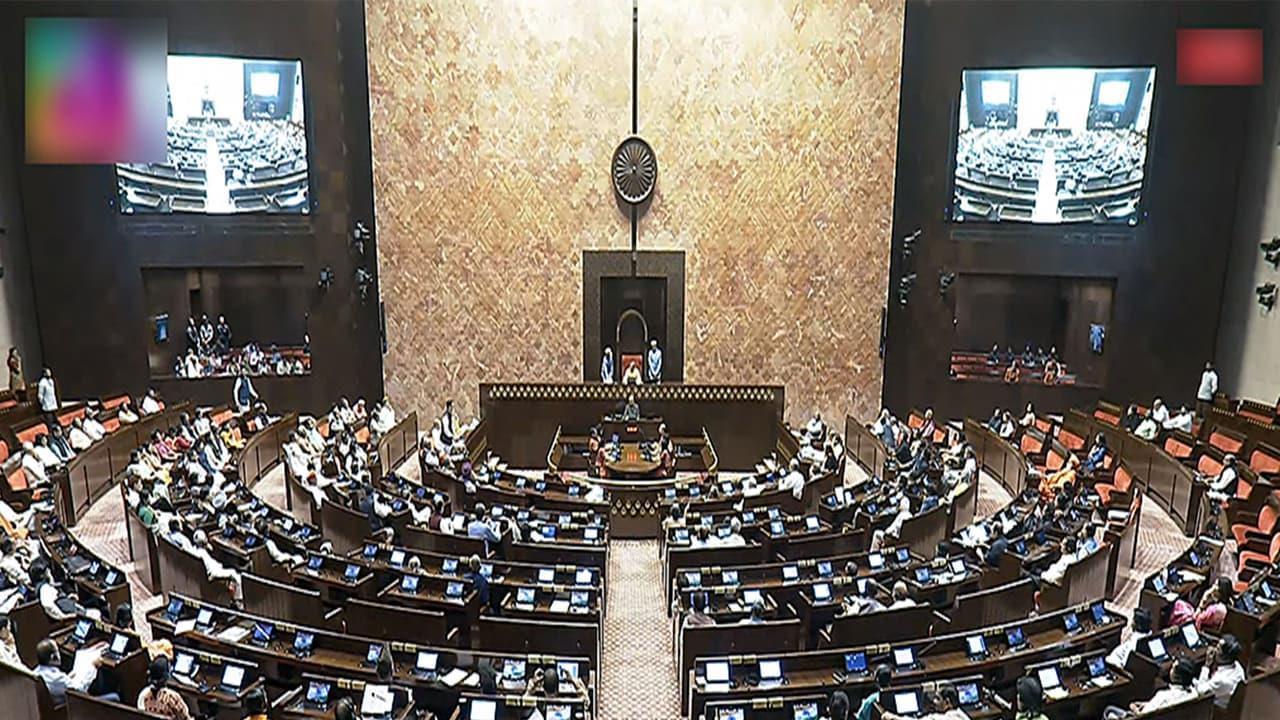
The central government has renewed its focus on scaling up India’s National Gas Grid, aiming to strengthen energy accessibility, affordability and environmental sustainability across regions. In a detailed written reply to the Rajya Sabha, Minister of State for Petroleum and Natural Gas Suresh Gopi outlined the status of gas pipeline development and the array of interventions introduced to fast-track the country’s transition towards a gas-based economy. According to data shared in Parliament, the Petroleum and Natural Gas Regulatory Board (PNGRB), the statutory body responsible for authorising and overseeing the construction and operation of natural gas pipelines, has so far approved approximately 34,233 km of Natural Gas Pipeline (NGPL) network under various categories. These include common carrier pipelines, spur and connectivity lines, and dedicated pipelines designed to link production centres, industrial clusters and urban markets. Of the authorised network, 25,429 km of pipelines are already operational as of June 2025, marking a significant step towards national energy integration. Additionally, 10,459 km of pipelines are under construction, progressing at different levels across multiple states. This expanding network forms the backbone of the government’s ongoing efforts to realise its long-term vision of ‘One Nation, One Gas Grid.’ Major Policy Push to Strengthen Gas Connectivity To accelerate the creation of a unified national gas pipeline system, the Centre has adopted a multi-pronged policy approach. The Minister stated that several major trunk pipeline projects have received government approval in recent years, allowing for a more balanced and extensive energy distribution network covering both high-demand and underserved regions. A significant component of this push has been the provision of Viability Gap Funding (VGF) for low-demand and geographically challenging areas. By offsetting project costs, the government aims to ensure that pipeline development remains commercially viable even in remote pockets of the country. Another key reform is the introduction of a unified tariff structure, which simplifies the cost of gas transportation across different regions. This single-tariff system is expected to make natural gas pricing more transparent and equitable, ensuring that distant consumers do not face disproportionately higher costs. Parallel efforts are underway to expand the City Gas Distribution (CGD) network, allowing for wider penetration of Compressed Natural Gas (CNG) for urban transport and Piped Natural Gas (PNG) for households. The establishment and expansion of Liquefied Natural Gas (LNG) terminals along coastal regions further support the country’s growing import and regasification capability, strengthening domestic supply security. The government has also permitted marketing and pricing freedom for natural gas extracted from difficult geological zones such as deep-water, ultra-deep-water and High Pressure/High Temperature (HP/HT) fields. This measure aims to incentivise upstream investment, reduce import dependence and increase domestic availability. In addition, the Sustainable Alternative Towards Affordable Transportation (SATAT) initiative, a major programme to promote Bio-CNG production from agricultural and organic waste, continues to play a crucial role in the clean energy strategy. By diversifying fuel sources, the initiative aims to simultaneously address waste management challenges and energy needs. Centre, States and Agencies Work Jointly Ensuring timely construction of such an extensive network requires close coordination across multiple entities. The government informed Parliament that it is working proactively with state governments, local authorities, and implementing agencies to resolve land acquisition issues, secure right-of-use permissions and address administrative or logistical bottlenecks that slow down pipeline construction. Officials emphasised that this collaborative approach is essential for synchronising national infrastructure goals with the priorities and constraints of individual states. Several states have already expedited procedures to allow uninterrupted progress of pipeline projects, especially those linked to industrial clusters, ports and urban centres. Cleaner, Cheaper Energy The expansion of the National Gas Grid is expected to bring wide-ranging socio-economic and environmental benefits. For households and urban consumers, increased pipeline connectivity will make PNG (Piped Natural Gas) and CNG (Compressed Natural Gas) more accessible. As a cleaner and relatively cheaper alternative to traditional fuels like LPG, diesel and petrol, natural gas is expected to contribute significantly to cleaner urban mobility and improved domestic energy security. In the industrial sector, the extended availability of natural gas at competitive prices is projected to boost productivity, reduce operational costs and make manufacturing more environment-friendly. Industries such as power generation, ceramics, glass, steel, textiles, fertilisers and petrochemicals are expected to benefit substantially from stable gas supply. Reliable gas infrastructure also enhances investor confidence. The creation of new pipeline corridors often leads to the development of industrial parks, logistics hubs and ancillary services, generating fresh employment opportunities and promoting regional economic development. Helping Achieve India’s Environmental Commitments Beyond economic gains, the nationwide shift toward natural gas supports India’s broader environmental and climate goals. Natural gas, being a cleaner fossil fuel, emits significantly fewer pollutants compared to coal and liquid fuels. Increasing its share in India’s energy basket is expected to help reduce greenhouse gas emissions and improve air quality in urban and industrial belts. The government reiterated that a robust National Gas Grid is central to steering India toward a low-carbon, sustainable and resilient energy future. As pipeline connectivity expands and more consumers transition to natural gas, the country is expected to move closer to its commitments under global climate agreements. With construction under progress and policy reforms underway, the Centre’s intensified effort marks a decisive step in building a modern, integrated and environmentally conscious energy infrastructure for India.

India must define its own growth path amid fractured global alliances: Adani
Dhanbad (Jharkhand), Dec 9 (PTI) Emphasising that India’s sovereignty depends on mastering the resources beneath its soil, Adani Group chairman Gautam Adani on Tuesday said the nation must chart its own development path at a time when global alliances are increasingly fracturing. Delivering the keynote address at the 100th foundation day celebrations of the Indian [...]

Will Invest Over $75 Billion In Energy Transition Space In Five Years: Gautam Adani
Adani Group chairman Gautam Adani on Tuesday said the conglomerate will invest over $75 billion in the energy transition space over the next five years, asserting that the country must do what is best for itself, define its own development path and resist external pressures.

Adani Group to invest over $75 bn in energy transition space over next five years
Gautam Adani shared that the global green energy transition is emerging as the largest industry of our time, worth several trillion dollars over the coming decades

Gautam Adani warns of ‘narrative colonisation’, calls for resource sovereignty
Billionaire Gautam Adani said sovereignty in the 21st century would rest on a nation’s command over its natural resources and energy systems, calling these the twin pillars of economic independence.

Adani warns of 'narrative colonisation' calls for resource sovereignty
Dhanbad, Dec 9 (PTI) Billionaire Gautam Adani on Tuesday warned against what he called "narrative colonisation" by some of history's

Parag Parikh Flexi Cap Fund increases stake in ITC and 11 other stocks, adds Indus Towers and TCS in November
Parag Parikh Flexi Cap Fund boosted its holdings in 12 stocks, including major additions to ITC and Power Grid, while adding Indus Towers and TCS as new entrants. The fund maintained stable exposure in 15 stocks and slightly reduced cash levels as it continued focusing on long-term, company-specific investment opportunities.

Adani warns of ‘narrative colonisation’, stresses resource and energy sovereignty
Gautam Adani cautioned against “narrative colonisation” by historically high emitters seeking to influence India’s development path. Calling resource and energy sovereignty the pillars of modern independence, he said India must resist external pressures while balancing coal needs with one of the world’s fastest clean-energy transitions.

Steamhouse India files updated DRHP to raise Rs 425 crore via IPO; details here
Steamhouse India files UDRHP for an IPO of up to Rs 425 crore, fresh issue Rs 345 crore, OFS Rs 80 crore with Equirus Capital as the sole BRLM.
- Customised Real-Time Management Information Systems and Tracking Mechanisms co-developed with clients.
- Technology-enabled processes across the Supply Chain life-cycle.
- Predictive analytics to forecast coal quality and supply-demand dynamics.
Relationships with stakeholders across the ecosystem, including but not limited to:
- Ministries of Coal & Railways
- Indian Railways Board
- Fleet owners
- Coal India & its Subsidiaries
- West Coast & East Coast Ports
- Coal controller

Our 3Ps
- Cumulative experience of 150+ years in the Coal industry in our leadership.
- Cutting edge cross-functional, multi-dimensional and geographic expertise brought in by Industry Experts, Engineers, Consultants, Company Secretaries and MBAs on our Team across pan-India offices.
- Mentorship from industry leaders (ex-Coal India, ex-Railway Board)