


30 MT+
Coal
handled annually
150+
years
of cumulative experience of the
leadership team
20+
offices
across India
200+
employees
across locations
About us
What we do
We are pioneers in the coal logistics industry. India’s top power, aluminium, cement, steel, fertiliser and paper players turn to us when they need to debottleneck their Coal procurement value chains. We are present across the Coal procurement lifecycle - counselling clients on their fuel and advocacy strategies through overseeing end to end operations via rail and road modes.

.jpg)
Our Presence
Offices across 10+ states
Recent Industry News

INMA warns of newsprint shortage amid coal supply disruptions, seeks PM Modi’s intervention
New Delhi: India's newsprint manufacturers have warned that irregular coal supplies are affecting production and could disrupt the availability of newsprint for newspapers across the country. The Indian Newsprint Manufacturers Association (INMA) has sought Prime Minister Narendra Modi's intervention, alleging that Coal India subsidiaries are not supplying coal according to agreed schedules despite manufacturers having valid long-term Fuel Supply Agreements (FSAs). The association represents manufacturers supplying newsprint to major publications, including The Times of India, Hindustan Times, The Hindu, Navbharat Times and Punjab Kesari. In its letter to the Prime Minister, INMA said, “Despite these long-term contractual arrangements, our members continue to face significant operational challenges due to irregular coal dispatches and inadequate supplies.” The manufacturers have agreements with Coal India subsidiaries, including Northern Coalfields, Central Coalfields, South Eastern Coalfields and Western Coalfields, covering deliveries through rail and road. According to INMA, its members are not receiving their allocated coal rakes on schedule despite paying premiums for assured supplies. The shortages have forced manufacturers to purchase coal from the open market at higher prices or depend on more expensive grid electricity to keep their plants operational. The association warned that the situation was preventing manufacturers from operating at full capacity and could eventually affect domestic newsprint availability. “The persistent shortage of coal has prevented our members from operating their manufacturing units at optimal capacity, adversely affecting production and potentially disrupting the availability of newsprint in the domestic market,” INMA said. It further warned that continued production constraints could affect the timely supply of newsprint to newspapers and other publications. Coal dispatch schedules have added to manufacturers' difficulties. According to the association, prolonged delays are sometimes followed by multiple coal rakes arriving within a short period, creating problems with storage, transportation, coal handling and working capital. The association has also questioned the allocation of coal between power generation and other industries. INMA alleged that more than 95% of coal dispatches are currently being directed towards power plants, leaving manufacturers in the non-regulated sector struggling to secure adequate supplies. It has urged the government to implement a 75:25 allocation ratio between the power and non-power sectors, citing a recommendation of the Cabinet Committee on Economic Affairs (CCEA). “We, therefore, request your kind intervention to review the existing coal allocation and dispatch pattern and implement the CCEA-recommended 75:25 ratio between the power and non-power sectors in accordance with the applicable policy framework and relevant government decisions,” the association said. INMA has also sought directions to Coal India subsidiaries to honour existing supply agreements and ensure regular dispatches. For newspaper publishers, prolonged disruption in domestic newsprint production could create additional procurement challenges, particularly if manufacturers continue to face higher fuel and operating costs. However, the extent to which these shortages have affected newspaper procurement prices or printing operations has not been independently established. The association has urged the government to act before the supply disruptions lead to further production losses and affect the availability of newsprint in the domestic market.
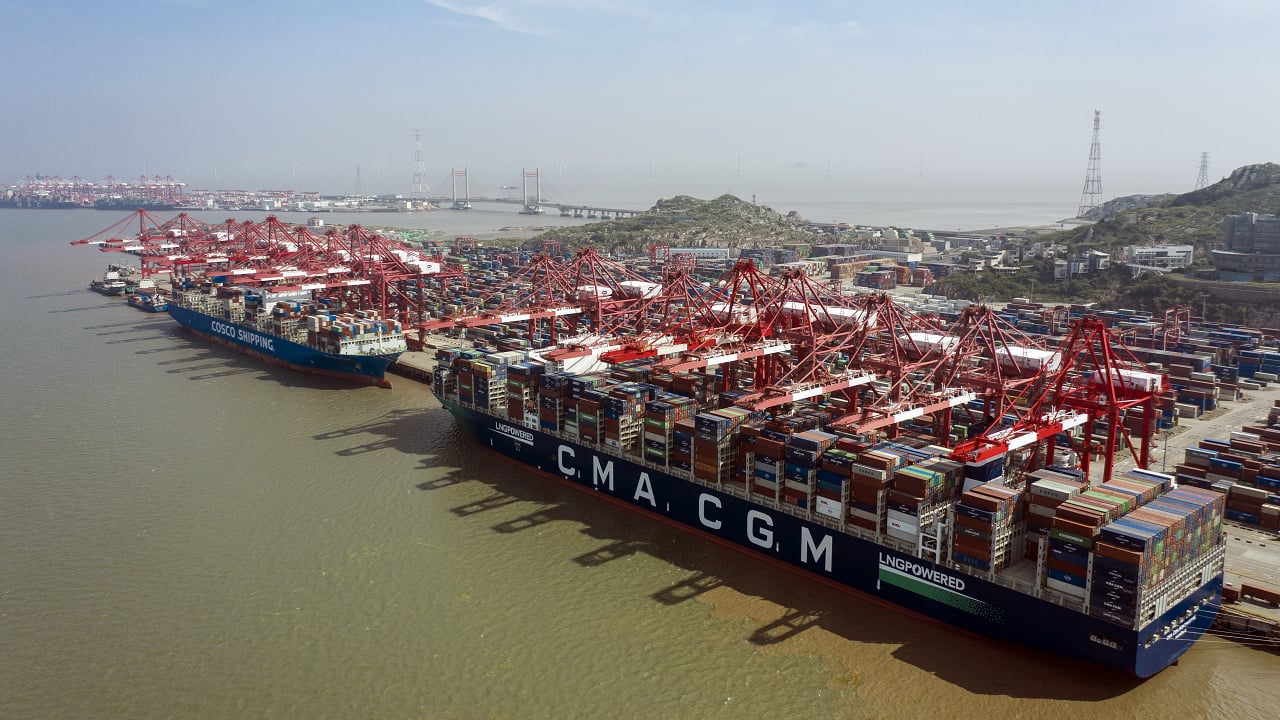
OPINION | India's export engine has accelerated, putting a durable current account surplus within reach
A record $863 billion of exports, led by a world-class services surplus, has held India's current-account deficit to just 0.6% of GDP. A sustained external surplus is a credible goal if merchandise exports are prioritised this year

Half of India’s coal-fired power plants face critically low fuel stocks
India’s coal-fired power plants are facing mounting fuel pressure as electricity demand rises and hydropower generation declines amid hotter weather.
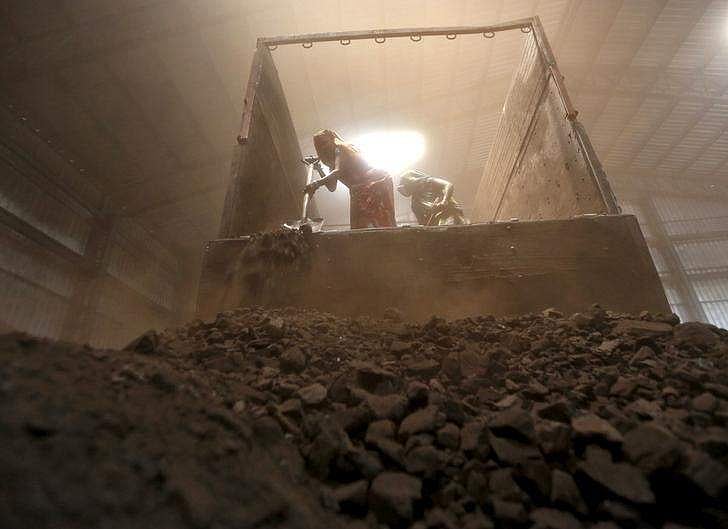
Newsprint body SOS on coal supplies
In an urgent representation, the association, whose members supply newsprint to publications including The Times of India, Hindustan Times,

Coal India Share Price Live Updates: Coal India Sees Price Drop
Stay up-to-date with the Coal India Stock Liveblog, your trusted source for real-time updates and thorough analysis of a prominent stock. Explore the latest details on Coal India, including: Last traded price 406.15, Market capitalization: 251439.32, Volume: 1776318, Price-to-earnings ratio 8.05, Earnings per share 50.63. Get a comprehensive understanding of Coal India with our coverage of both fundamental and technical indicators. Stay informed about breaking news that can have a significant impact on Coal India's performance. Our expert opinions and recommendations empower you to make well-informed investment choices. Trust the Coal India Stock Liveblog to keep you informed and equipped in the dynamic market landscape. The data points are updated as on 12:14:03 PM IST, 21 Oct 2026
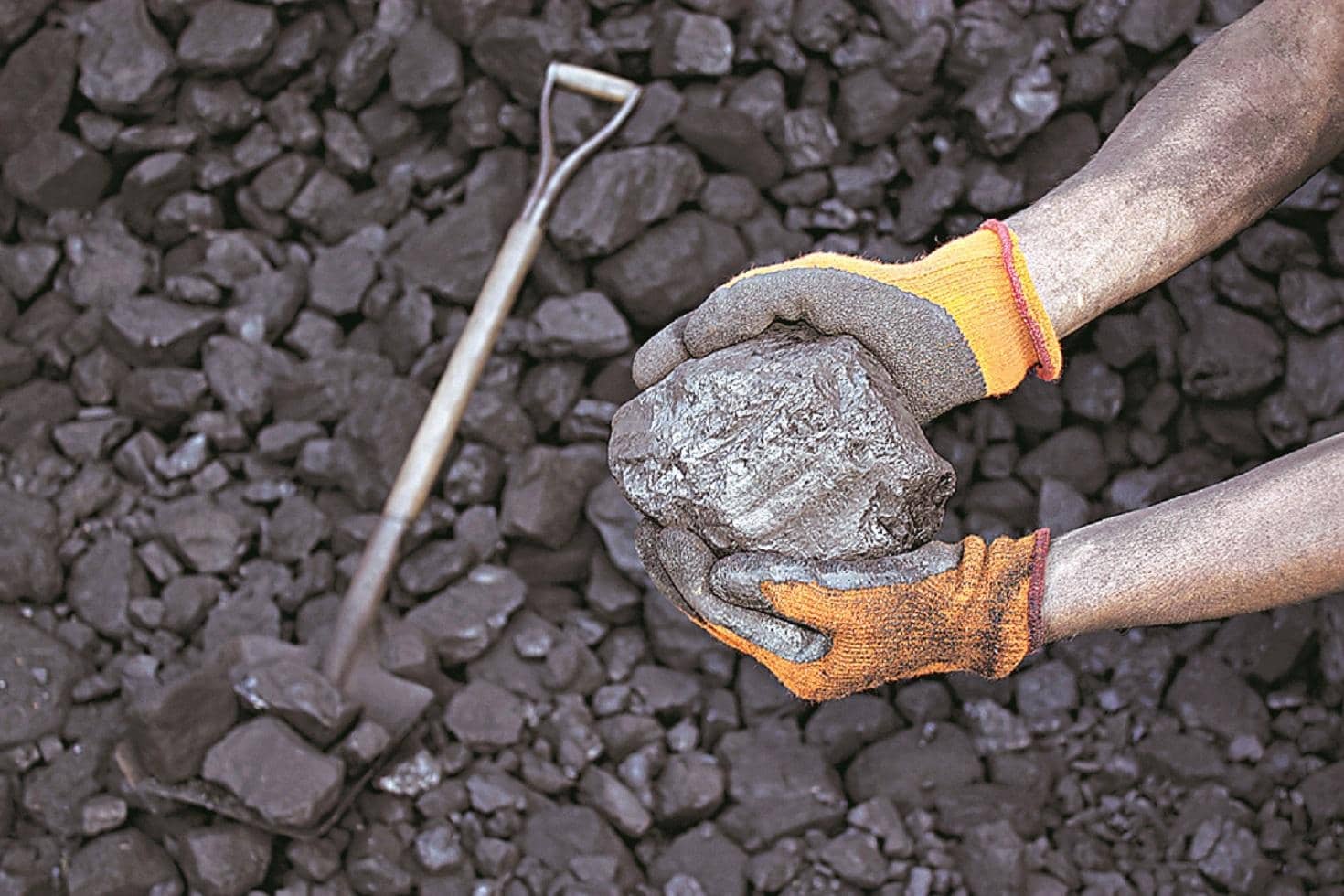
Half of coal plants run critically low on fuel as power demand surges
The number of power plants with critically low coal stocks - which only have enough fuel supply to generate power for less than three days - rose to 96 as of October 19 from 60 plants in mid-September

Half of India's coal plants run critically low on fuel as power demand surges
Data from the Central Electricity Authority (CEA) showed that 96 plants had critically low coal stocks as of October 19, up from 60 in mid-September
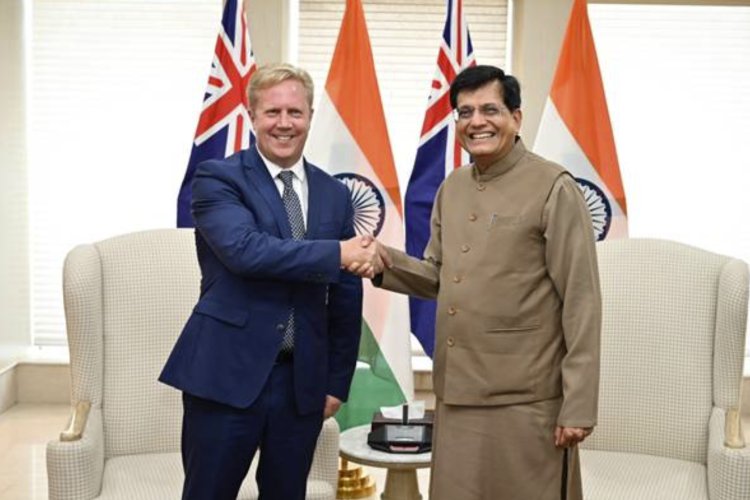
India-New Zealand FTA faces the test of commercial use
India-New Zealand FTA widens trade and professional mobility while retaining farm safeguards and setting a private investment ambition. #India #NewZealand #FTA

Uppur project in limbo, EY to study reuse of Rs 2,020 crore idle equipment
After deciding to relocate the stalled Uppur thermal power project to the Udangudi Stage I site, the Tamil Nadu Power Generation Corporation Limited (TNPGCL) has once again engaged Ernst & Young (EY) to study the feasibility of utilising equipment and materials worth about Rs 2,020 crore procured for Uppur at a proposed 800 MW coal-based thermal power plant in Thoothukudi district, raising fresh questions over the fate of the original project

India News | Gujarat Govt Fully Prepared to Meet Rising Power Demand: CM Bhupendra Patel Ensures Uninterrupted Electricity Supply
Get latest articles and stories on India at LatestLY. Gujarat Chief Minister Bhupendra Patel chaired a high-level meeting with the Energy Department to comprehensively review Gujarat’s rising electricity demand, the current power supply situation and the measures being undertaken to ensure uninterrupted electricity for farmers, industries and domestic consumers.
- Customised Real-Time Management Information Systems and Tracking Mechanisms co-developed with clients.
- Technology-enabled processes across the Supply Chain life-cycle.
- Predictive analytics to forecast coal quality and supply-demand dynamics.
Relationships with stakeholders across the ecosystem, including but not limited to:
- Ministries of Coal & Railways
- Indian Railways Board
- Fleet owners
- Coal India & its Subsidiaries
- West Coast & East Coast Ports
- Coal controller

Our 3Ps
- Cumulative experience of 150+ years in the Coal industry in our leadership.
- Cutting edge cross-functional, multi-dimensional and geographic expertise brought in by Industry Experts, Engineers, Consultants, Company Secretaries and MBAs on our Team across pan-India offices.
- Mentorship from industry leaders (ex-Coal India, ex-Railway Board)